
Identify which crews the request includes
List the groups expected to use the site and the periods when their work overlaps. The main crew’s regular pattern may differ from a specialist team arriving for a shorter stage. Explain those differences to the supplier rather than treating each trade as an isolated figure or assuming the opening-day count describes the whole project.
Ask the responsible site parties which facilities each crew is entitled to use. A cabin standing on the property may belong to another accepted arrangement; its presence does not prove it is available to every contractor. Conversely, do not order another set solely because a trade assumed that nobody had included it. Clarify the intended common or separate provision first.
Keep the required functions in the crew discussion
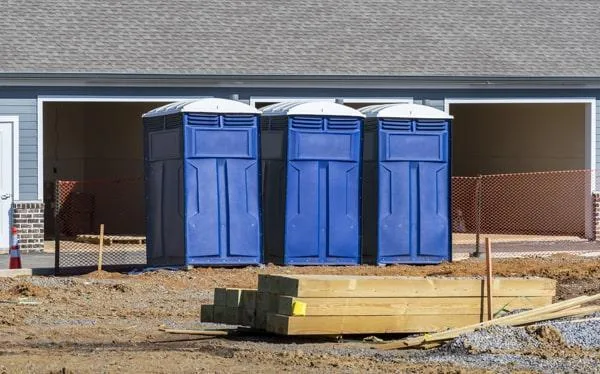
Standard self-contained cabins provide private toilet use and are a useful category for a worksite enquiry. Consider any broader-access needs and identify the permanent bathrooms that crews can actually use. A building under renovation, a staff-only door or changing work hours may mean those bathrooms are not available to everyone who needs them.
Soap-and-water washing may require separate equipment. Specify its water, soap, drying and used-water care rather than assuming it accompanies every toilet. A dumpster contains accepted debris; it does not replace the facilities for workers and should be described as a separate rental requirement if the project needs both.
Compare a common arrangement with genuinely separate work areas
A common position may work where the included crews can reach it through permitted routes and the provider can service it. Separate working areas may call for a different arrangement if a shared route would cross restrictions or leave people without practical access. Explain the layout and ask for an equipment proposal rather than using contractor names as a quantity formula.
Each proposed location needs usable door space and a practical delivery, care and collection approach. Keep unloading, stored materials and temporary work boundaries in view. A supplier-approved position should not be changed independently when another trade wants the space; raise the conflict with the site contact and provider.
Use one clear process for changes to the accepted scope
Identify who tells the supplier when a trade arrives, departs or changes its hours. Give the actual difference and ask whether equipment, washing, care or the rental period needs review. More days and more people are different changes, and neither automatically establishes that another unit or service visit is included.
The quotation should describe the accepted equipment and users, dates, cleaning and waste servicing, supplies, transport and site responsibilities. Keep the receiving and access contacts informed. Before collection, check who remains on site for later work so one contractor’s departure does not trigger removal while other included crews still need the facilities.
Questions before you book
Can every contractor use a cabin already on the site?
Confirm the accepted users and the responsible parties’ arrangement. Equipment being present does not automatically include another contractor’s crew.
Does every trade need its own separate order?
Not necessarily. Explain the combined use, work areas and access. A common or separate arrangement should follow the actual accepted scope, not an assumption based on contractor names.
What changes should be reported when a new trade arrives?
Share its user group, hours, period and work area, plus any change to existing bathroom access. Ask whether the equipment and care arrangement still fits.
Can we move toilets when a work area changes?
Do not relocate them independently. Explain the changed layout and agree any revised position or provider operation with the responsible parties.